Sweet wine is often the friendliest way into wine, and sweet wine in Kenya is easier to find than many people expect. If dry reds taste too sharp or dry whites too tart, a well-made sweet wine can be a smoother, more forgiving place to start. This guide explains what makes a wine sweet, how the sweet red, white and rosé styles differ, and how to serve and pair each one.
What Makes a Wine Sweet?
A wine becomes sweet when some of the natural grape sugar is left in the bottle after fermentation. Winemakers call this residual sugar. The more sugar that remains, the sweeter the wine tastes.
Sweetness is not the same as flavour, though. A sweet wine can still be fresh, fruity and balanced, as long as it has enough acidity to keep the sugar from feeling heavy. A sweet wine with good acidity tastes lively and clean. One without it can taste flat and sugary. When you shop, look for descriptions that mention balance, such as “balanced acidity” or “fruity and refreshing”.
The Three Sweet Styles: Red, White and Rosé
Bonvoyage’s sweet range comes in three styles. All are medium bodied, and all are made from grapes sourced from selected Cape vineyards in the Western Cape, South Africa. You can browse them together in our sweet wine collection.
Sweet Red
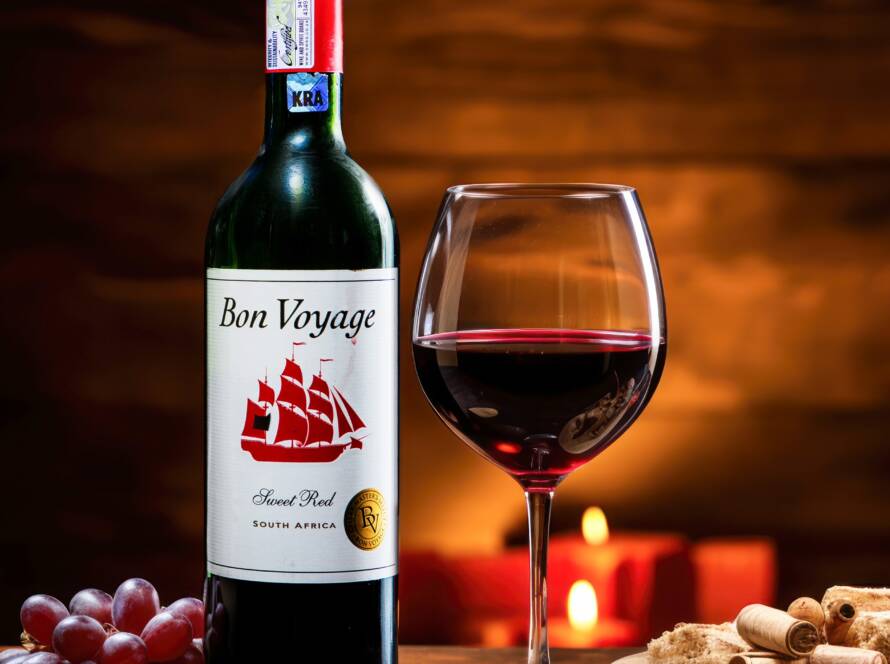
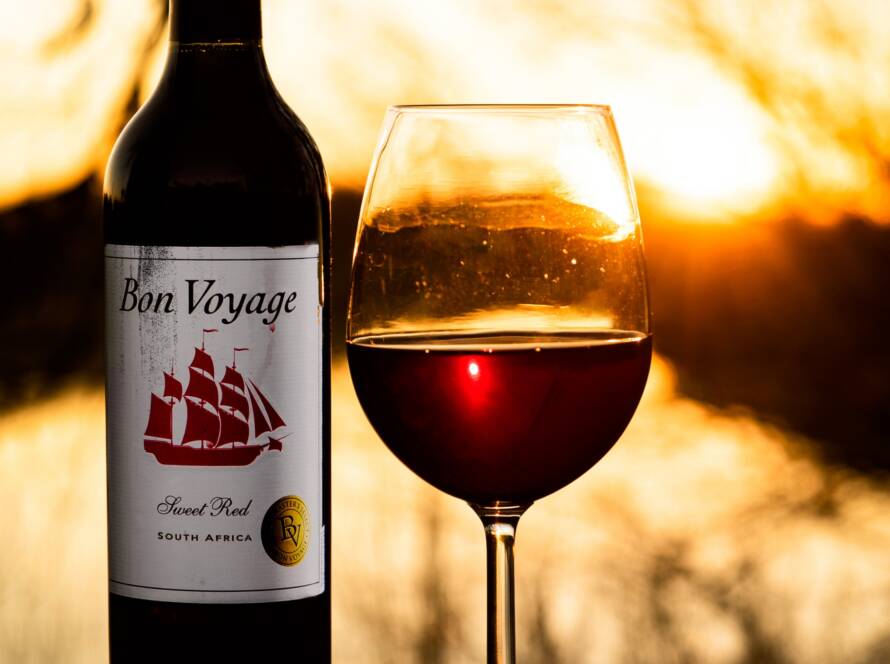
Bon Voyage Sweet Red is a medium bodied sweet red wine with berry flavours. It is smoother and more forgiving than a tannic dry red, which makes it a good first step into red wine.
Sweet Rosé
Bon Voyage Sweet Rosé is a medium bodied sweet rosé with fruity notes. It is refreshing and easy drinking, especially when well chilled. You will find it in our rosé wine range.
Sweet White
Bon Voyage Sweet White is a medium bodied sweet white wine with balanced acidity. The acidity keeps it fresh, so the sweetness feels pleasant rather than heavy. It sits in our white wine range.
How to Serve Sweet Wine
Serving temperature changes how sweet a wine tastes, so it is worth getting right.
- Sweet red: serve at room temperature.
- Sweet rosé: serve chilled.
- Sweet white: serve chilled.
Chilling lifts the freshness of a sweet wine and stops the sugar from feeling syrupy. Put white and rosé in the fridge for a couple of hours before serving, or into a bucket of ice and water for about twenty minutes if guests are already on the way.
How to Taste Sweet Wine Like You Mean It
You do not need training to taste wine well. Four simple steps are enough:
- Look: tilt the glass against a white background and notice the colour.
- Smell: swirl gently, then breathe in. Sweet reds often smell of ripe berries, while whites and rosés lean towards fruit and blossom.
- Sip: let the wine move across your whole tongue.
- Judge the balance: ask whether the sweetness feels fresh or heavy. Good acidity makes the finish feel clean.
What to Eat With Sweet Wine
Sweet wines are surprisingly flexible with food, particularly with spicy dishes, where the sweetness softens the heat.
- Sweet red pairs well with meat, pasta and spicy food, and it holds its own against bold, strong flavours.
- Sweet rosé pairs perfectly with cheese and fish, and it is good with spicy foods and desserts.
- Sweet white suits Asian flavours, spiced foods and curries, fruit and dessert.
For simple cheese boards and everyday Kenyan dinner ideas, read our wine and food pairing guide. One golden rule for dessert: the wine should be at least as sweet as the dish, or it will taste sharp and thin by comparison.
Is Sweet Wine Only for Beginners?
No. Sweet wine has a long tradition, and many experienced drinkers keep a bottle on hand for dessert, spicy meals or relaxed afternoons. That said, sweet styles are a gentle entry point. When you are ready to explore drier, bolder wines, our guide to red wine types explains the main styles, and Bon Voyage Cape Red, a fruity off-dry blend, is an easy step in that direction.
Sweet Wine Prices in Kenya
At the time of writing, Bon Voyage Sweet Red and Bon Voyage Sweet White are each KES 1,650, and Bon Voyage Sweet Rosé is KES 1,750. Current prices are always listed in the Bonvoyage shop.
Common Mistakes When Buying Sweet Wine
- Serving white or rosé too warm. Warmth makes sweetness feel heavy.
- Assuming all sweet wines taste the same. Red, rosé and white sweet wines have very different flavours.
- Pairing with a dish that is sweeter than the wine. The wine will taste sour next to it.
- Ignoring balance. Sweetness without acidity is the difference between a lively wine and a dull one.
Storing an Open Bottle
Re-cork the bottle and keep it in the fridge, even for a sweet red if your home is warm. Sweet wines are generally best enjoyed within a few days of opening, while the fruit is still fresh.
Try the Bonvoyage Sweet Wine Range
The best way to find your favourite is to try all three styles side by side. Buy one bottle of each, invite friends over and compare. Planning a bigger gathering or stocking an office? Request a corporate or bulk order, or see our wine tasting events.
Sweet Wine and Kenyan Food: Practical Pairing Ideas
Kenyan home cooking is full of bold, spiced and slightly sweet flavours, which happen to suit sweet wine well. A few ideas to try at home:
- Nyama choma with a sweet red: the berry sweetness balances the smoky char and salt of grilled meat. Serve the red at room temperature.
- Pilau or biryani with a sweet white: chilled sweet white cools the warm spices without hiding them.
- Samosas and bhajia with sweet rosé: the fruit in a chilled rosé refreshes the palate between bites of fried, spiced snacks.
- Fresh fruit and cheese with any sweet style: a simple platter of mango, pineapple, cheddar and crackers is a relaxed way to compare all three.
The principle is simple: use sweetness to soften heat and salt, and use chilling to keep the wine fresh. If you enjoy experimenting, change one thing at a time so you can tell what made the difference.
Choosing a Sweet Wine for the Occasion
Different moments suit different bottles. For a quiet dinner at home, sweet red is a comfortable choice. For a hot afternoon on the balcony or a garden lunch, chilled sweet rosé or sweet white is more refreshing. For gifting, a pair of bottles in two styles lets the recipient discover their own preference. If you are gifting to someone who is new to wine, a sweet style is rarely a risky pick because it is soft and easy to like.
For gatherings of ten or more, ordering by the case saves time and makes sure you do not run out. Bonvoyage handles corporate and bulk orders for offices, weddings and events.
How to Move From Sweet to Dry Over Time
Palates change with experience. Many people start with sweet wine, then gradually try drier styles as their taste develops. A gentle path looks like this:
- Start with a sweet red, rosé or white and learn what you enjoy about each.
- Try an off-dry wine such as Cape Red, which has less sweetness and more structure.
- Move to fuller dry reds such as Cabernet Sauvignon or Shiraz when you are ready for more tannin and depth.
There is no deadline for this. Plenty of people stay happily with sweet wine for life, and that is perfectly fine. If you want a structured way to build your home selection, our guide to starting a wine collection is a good next read.
Frequently Asked Questions
Is sweet wine good for beginners?
Yes. Sweet wines are generally softer and less tannic than dry reds and less tart than dry whites, so many people find them easier to enjoy when they are starting out.
Should sweet wine be served cold?
Sweet white and sweet rosé should be served chilled. Sweet red is best at room temperature.
Does sweet wine go with spicy food?
Yes. The sweetness softens the heat, which is why sweet whites and rosés work well with curries and other spiced dishes.
Where can I buy sweet wine in Kenya?
You can order Bon Voyage Sweet Red, Sweet White and Sweet Rosé from the Bonvoyage shop, with delivery or in-store collection in Nairobi.