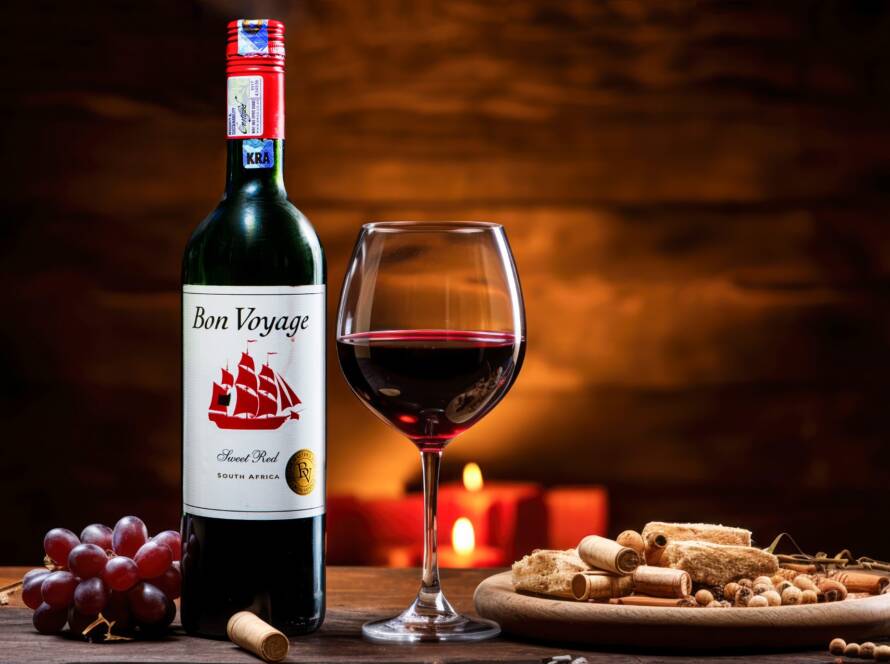
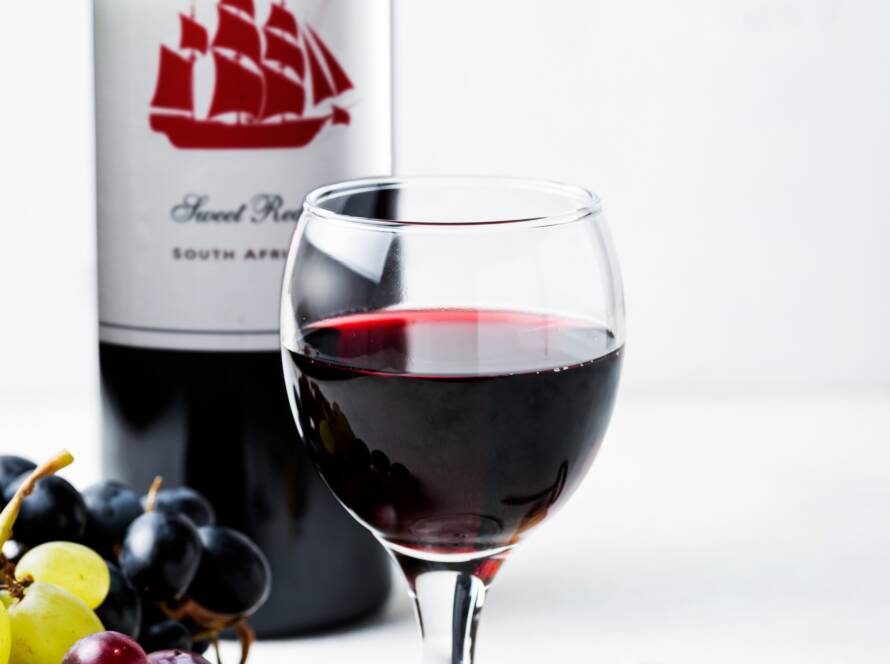
If you are looking for sweet white wine from South Africa, you are looking at one of the most approachable styles in the wine world. South Africa has been making wine for more than 350 years, and its Western Cape vineyards produce everything from crisp dry whites to rich dessert wines. This guide explains what to expect from a sweet white, how to read the label, how to serve it and what to eat with it.
Why South Africa Suits Sweet White Wine
South African wine is centred on the Western Cape, where warm sunny days and cooling ocean breezes help grapes ripen while keeping their natural acidity. That matters for sweet wine, because acidity is what keeps sweetness tasting fresh and balanced rather than heavy.
Cape winemakers make a wide range of sweet styles, and labels use terms such as Late Harvest and Noble Late Harvest for the sweeter end of the range. You do not need to memorise them. What matters is knowing how sweet a wine is meant to be before you buy.
What “Sweet” Means on a Wine Label
Labels and shop descriptions use a few common words for sweetness:
- Dry: little or no sugar left. Crisp and tart.
- Off-dry: a touch of sweetness, barely noticeable.
- Sweet or semi-sweet: clearly sweet, often fruity.
- Dessert style: rich, concentrated and best in small glasses.
Also look for the wine of origin. It tells you where the grapes were grown. For example, Bon Voyage Sweet White states Western Cape as its wine of origin.
Meet Bon Voyage Sweet White
Bon Voyage Sweet White is a medium bodied sweet white wine with balanced acidity. The grapes are sourced from selected Cape vineyards in the Western Cape. It is best served chilled and goes well with Asian flavours, spiced foods and curries, fruit and dessert. At the time of writing it is KES 1,650, and current pricing is always on the Bonvoyage shop.
Why Balance Matters More Than Sweetness
It is tempting to judge a sweet wine by how sweet it is. A better question is whether the sweetness is balanced. Balanced acidity gives a sweet white a fresh finish, so the glass feels refreshing and you want another sip. A sweet wine without that lift tastes flat and sugary after the first mouthful.
This is why “balanced acidity” on a description is a good sign, and it is the quality that makes a sweet white work with food as well as on its own.
How to Serve Sweet White Wine
- Chill it properly. Aim for well chilled, about 6 to 10 degrees Celsius. Two to three hours in the fridge usually does it.
- Use a medium glass. A standard white wine glass lets the fruit open up without losing the chill too fast.
- Pour modestly. A smaller pour stays cold longer, and you can top up as you go.
- Keep it cool at the table. A small bucket of ice water works well on a warm Nairobi afternoon.
What to Eat With Sweet White Wine
Sweet whites shine with food that has heat, spice or fruit. Good matches include:
- Curries and spiced dishes: a mild chicken curry or spiced samosas, where the sweetness cools the spice.
- Asian flavours: dishes with ginger, chilli or sweet and sour sauces.
- Fresh fruit: a platter of mango, pineapple or pawpaw.
- Dessert: keep the wine at least as sweet as the dessert, or it will taste thin.
More combinations, including cheese boards, are in our wine and food pairing guide.
Sweet White, Sweet Rosé or Sweet Red?
If you are still deciding between the sweet styles, here is a quick comparison. Sweet White is fresh and served chilled. Sweet Rosé is fruity and also served chilled. Sweet Red has berry flavours and is served at room temperature. You can compare all three in our sweet wine collection, or start with our white wine page.
Where to Buy Sweet White Wine in Kenya
You can order Bon Voyage Sweet White from Bonvoyage, a wine distributor in Nairobi, with in-store collection or delivery. Buying for a party, restaurant or office? Request a corporate or bulk order.
Reading a South African Wine Label
South African labels carry a lot of useful information once you know where to look. Here are the details worth checking before you buy:
- Wine of origin: the region where the grapes were grown, such as Western Cape. It is a guide to the climate and style.
- Style or sweetness description: words such as sweet, semi-sweet or dry tell you what to expect in the glass.
- Alcohol by volume: a quick indicator of body. Medium bodied sweet wines usually sit comfortably in the middle of the range.
- Serving advice: many labels and product pages suggest a temperature and food matches, which is useful when you are choosing for a meal.
Product pages on Bonvoyage list the style, body, wine of origin, serving suggestion and food pairing for each wine, so you can compare without guessing. Browse the shop to see them side by side.
Common Mistakes With Sweet White Wine
- Serving it at fridge-warm or room temperature. A sweet white that is not cold enough tastes heavy. Chill it fully.
- Over-chilling for too long. If a bottle has been in the freezer, let it sit for a few minutes so the aromas can open up.
- Pairing it with very delicate food. A light salad with a mild dressing can be overwhelmed. Choose food with some flavour or spice.
- Judging sweetness before the finish. Wait for the aftertaste. Good acidity makes the finish clean, even in a sweet wine.
Entertaining With Sweet White Wine
A sweet white is easy to serve to a crowd because it is friendly to most palates. For a relaxed gathering, chill a few bottles, set out bowls of fruit and a few spiced snacks, and let guests help themselves. For something more structured, serve it with a dessert course after a savoury meal, since the wine will taste best next to a dish that is not sweeter than itself.
If you are planning a private tasting, our wine tasting events page explains how Bonvoyage supports gatherings. You can also learn more about building a home selection in our guide to starting a wine collection.
Sweet White Versus Dry White
A dry white is crisp and tart with little residual sugar, while a sweet white keeps some natural grape sugar and tastes softer and fruitier. Neither is better. Dry whites suit light seafood and salads, and sweet whites suit spiced food and dessert. If you like both, keep a bottle of each at home. Our white wine range is the place to start browsing.
Frequently Asked Questions
Is South African sweet white wine good for beginners?
Yes. Sweet whites are generally approachable and fruity, which makes them an easy starting point if dry wines taste too sharp.
Should sweet white wine be chilled?
Yes. Serve it well chilled so the sweetness stays fresh and the acidity stays bright.
What food goes with sweet white wine?
Asian flavours, spiced foods and curries, fresh fruit and dessert are all good matches.
How long does an open bottle last?
Re-cork it and keep it in the fridge. It is generally best enjoyed within a few days of opening.